
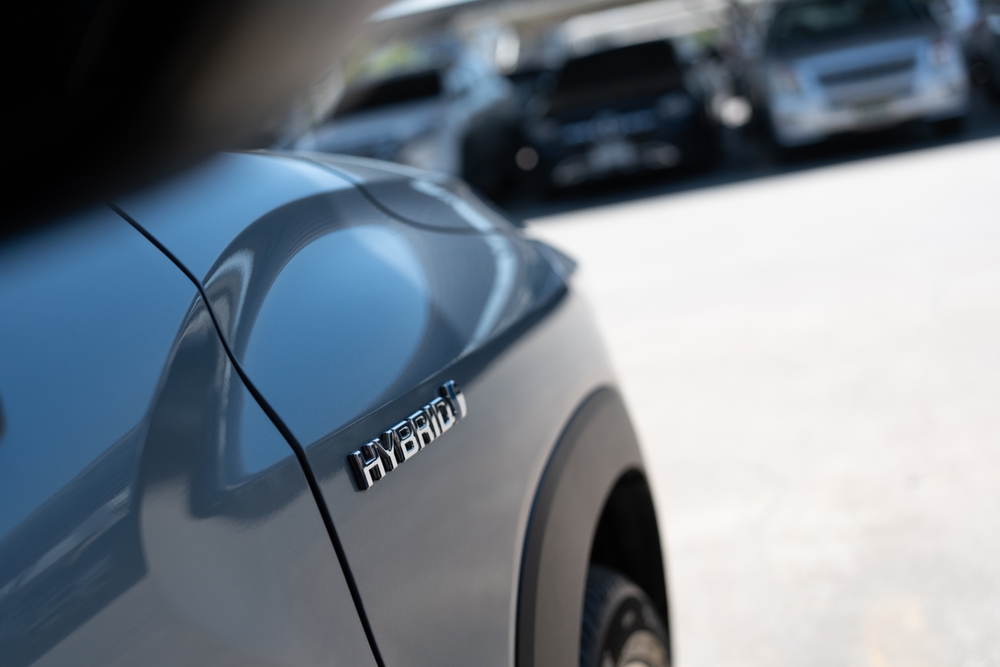
The rise of hybrid cars promised lower fuel costs and fewer emissions, but created unintended friction inside repair shops. Mechanics face a new layer of complexity that many car owners never see. Hybrid repairs demand skills far beyond traditional engine work, yet most shops operate on thin margins and tight schedules. The result is a quiet frustration that shapes how mechanics talk about these jobs. And that frustration keeps growing as hybrids age, break down, and expose the uncomfortable truth beneath the industry’s surface.
The Learning Curve Never Ends
Hybrid systems change fast. Each model carries its own mix of software logic, electrical architecture, and safety protocols. Mechanics used to rely on muscle memory. Now they scroll through diagnostic menus filled with warnings and manufacturer-specific codes. The shift slows every step. Hybrid repairs take more time, more training, and more mental bandwidth.
Shops rarely pay for extensive certification. Many mechanics end up teaching themselves on the fly. Some do it after hours. Others avoid the work entirely because one missed detail can disable a car or trigger a battery fault that costs thousands. The fear isn’t exaggerated. High-voltage systems punish errors. And every new model year adds more layers to learn.
High-Voltage Risk Changes the Stakes
A traditional engine can injure a mechanic. A hybrid battery pack can kill one. That difference shifts everything inside a shop. Workers follow strict steps before they even touch a wrench. They isolate high-voltage components, lock out connectors, and test grounds to confirm the system is safe.
These steps protect lives, but they slow the workflow and increase tension. A routine part replacement turns into a hazard assessment—hybrid repairs force mechanics to treat familiar tasks with unfamiliar caution. Even experienced technicians admit they hesitate around bright orange cables. The margin for error feels razor-thin.
Specialized Tools Cost Real Money
Shops already manage expensive equipment. Hybrid vehicles push that burden higher. High-voltage gloves require regular testing and replacement. Insulated tools aren’t optional. Diagnostic scanners require updated software, which often comes with licensing fees. And some models demand proprietary readers or battery-lifting equipment.
These costs drain profit, especially for small independent shops. They can’t justify thousands in new gear for a few hybrid repairs each month. When mechanics say they hate this work, the subtext is simple. It rarely pays enough to cover the investment. The job becomes a financial gamble instead of a reliable revenue stream.
Parts Availability Creates Long Delays
Hybrid components don’t sit on shelves. A simple failure can sideline a car for weeks. Battery cooling pumps, control modules, and inverter units often require factory orders. Mechanics watch the clock, waiting for parts that stall other work. Cars take up space on lifts and tie up bays meant for faster jobs.
This logjam pressures the entire shop. Customers grow impatient. Mechanics grow frustrated. Hybrid repairs turn into logistical puzzles that choke workflow. And when parts do arrive, mechanics sometimes find subtle incompatibilities between model years that force new orders. The cycle repeats with no quick fix.
The Diagnosis Phase Is a Minefield
Hybrid systems can hide their problems behind vague or misleading codes. A battery fault might trace back to a cooling sensor. A charging issue might stem from a software glitch. Diagnosing these issues requires patience and precision. Mechanics often run multiple tests before narrowing down the root cause.
This slow process rarely aligns with the reality of shop economics. Most businesses rely on volume. Diagnostic work drags the queue. Hybrid repairs compound the problem because every test interacts with high-voltage components or sensitive electronics. One wrong step can corrupt data or trigger a system lockout. The stress is constant.
Labor Time Guides Don’t Reflect Reality
Manufacturers create labor estimates based on controlled environments. Mechanics don’t work in controlled environments. They crawl under cars with corroded bolts, seized connectors, and battery housings stuck in place after years of heat cycles. Hybrid repairs become longer, harder, and touchier than the official guides suggest.
Shops charge by the book, not by the struggle. Mechanics feel squeezed between unrealistic timelines and the risk of rushing a hazardous job. The mismatch breeds resentment. It also shifts hybrid work to the bottom of the stack because no one wants to lose money or take shortcuts around high-voltage systems.
Customers Expect Simplicity
Hybrid advertising created an impression that these cars need minimal service. When something fails, owners often expect quick, inexpensive fixes. They hear “battery” and think of a small 12-volt unit, not a multi-thousand-dollar energy system wired through the car’s core.
Mechanics end up explaining complex failures to customers who don’t understand why the price seems high or the timeline seems long. Hybrid repairs generate more misunderstandings than traditional work. Every conversation becomes a negotiation over expectations that were never realistic.
The Changing Future of the Shop Floor
Hybrid repairs won’t fade. Hybrids age, corrode, and carry the same wear patterns as any car. Mechanics adapt, but the tension remains. The industry faces a split between shops that invest in high-voltage training and those that avoid the risk and cost entirely. That divide will shape where drivers go, what they pay, and who keeps these complex machines running.
Are you seeing shops in your area struggle with hybrid work, or have you experienced delays with your own repairs?
What to Read Next…
- 8 Car Hacks That Mechanics Beg You Not To Try
- 10 Car Features That Make Mechanics Rich
- 7 Car Models That Mechanics Avoid Even When They’re Discounted
- 9 Car Brands That Quietly Lost Consumer Trust In The Last 5 Years
- 10 Car Brands That Are A Pain To Maintain And Why They’re Not Worth It
The post The Real Reason Mechanics Hate Hybrid Repairs appeared first on Clever Dude Personal Finance & Money.