
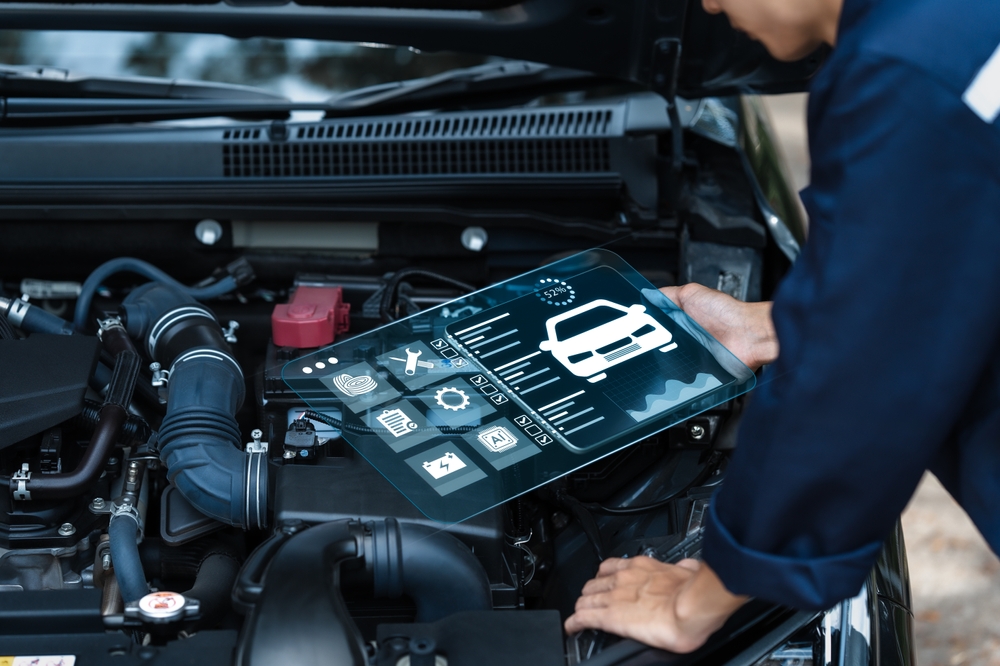
Cars fail in the real world, not in controlled test bays, yet more shops now lean on AI diagnostics as if software alone understands every sputter and stall. The shift promises speed, but it also creates blind spots. Machines read data; humans read context. When both don’t align, repair decisions skew fast. This matters because drivers end up trusting a tool that can misread the very systems meant to keep them safe.
1. Data Without Context Misses Real Failures
AI diagnostics excel at parsing sensor data, but sensors tell only part of the story. A driver’s description of a vibration on an incline or a noise that appears after rain can’t be captured by an onboard module. The system generates a code. The human hears a pattern. Those aren’t the same.
This creates a subtle risk: a shop may rely on the output and overlook symptoms that don’t match the algorithm’s assumptions. A failing wheel bearing might appear as a generic warning. A transmission slip might be flagged as an electrical glitch. The software narrows the field too quickly, and a mechanic who trusts the narrowing over hands-on inspection risks missing the real threat.
AI diagnostics work fast, but context keeps people safe.
2. Automation Can Create a False Sense of Certainty
The more advanced the software, the more convincing its confidence appears. A printout listing probable causes looks authoritative, clean, and certain. But probability is not certainty, and mechanical systems age in ways that data sets don’t fully reflect.
When the system ranks options, humans tend to follow the top result. It’s efficient. It feels logical. But it blurs the line between guidance and command. This is how expensive parts get replaced unnecessarily while the underlying issue continues unchecked. AI diagnostics become the story, not the evidence.
Shops using these tools often shorten manual inspection time because the screen has already “decided.” That’s where risk builds quietly.
3. The Tech Can’t Keep Up With Real-World Wear
AI diagnostics work best on clean input, but cars rarely provide that. Dirt, corrosion, heat cycles, failed seals, and hacked-together repairs from previous owners distort what the sensors report. The algorithm processes numbers without knowing the grime behind them.
When a sensor reads out of range, the software may point toward a failing component even when the real issue is a loose connector or a damaged wire. A human catches that instantly with a visual check. The AI never sees it.
We depend on the illusion of precision. But precision with flawed input is still an error, just hidden behind digital polish.
4. Proprietary Systems Limit What Humans Can Verify
More automakers now lock diagnostic pathways behind proprietary software. Independent mechanics lose access, and drivers lose choice. When AI diagnostics run the show, the system’s judgment becomes the gatekeeper for repairs, parts, and even warranty decisions.
A mechanic can’t cross-check what the AI flags if the interface hides deeper data. So repairs follow presets built by the manufacturer, not independent reasoning. That reduces transparency and increases trust in a tool that doesn’t always have the full picture.
It becomes harder to challenge the output even when the result doesn’t match what the mechanic experiences firsthand.
5. Machines Don’t Handle Uncertainty Well
Cars develop weird problems—intermittent electrical gremlins, heat-dependent performance drops, noises no one can reproduce on command. Humans deal with ambiguity; machines struggle with it.
AI diagnostics often return “no fault found” when the issue hasn’t reached the threshold needed to trigger a code. Drivers hear the rattle. The AI doesn’t. When shops lean on the machine, customers leave with unresolved problems. Those problems escalate. A minor issue becomes a major failure because early signs went unrecognized.
The gap between human experience and digital certainty widens with every missed symptom.
What Drivers Can Do to Protect Themselves
AI diagnostics aren’t going away. They help shops work faster and identify patterns humans might overlook. But drivers can push back against blind dependence on the screen.
Explain the symptoms clearly. Ask for a physical inspection, not just a code scan. Request the mechanic’s judgment before the algorithm’s printout. These steps anchor human insight in a process increasingly dominated by AI diagnostics. Without that balance, the system becomes the authority, even when it’s wrong.
Technology has value, but machines don’t replace the human skill of interpreting nuance. Mechanics gain insight from hands-on experience that no software can replicate. A hybrid approach blends that intuition with the speed of AI diagnostics, reducing the risk created when one side dominates.
Drivers depend on both. Shops should, too. The safest repair is to use the tool without surrendering judgment.
How has your repair shop handled the shift toward digital diagnosis, and has it helped or hurt your experience?
What to Read Next…
- 10 Clues Your Mechanic Might Be Lying To You
- 9 Car Brands That Quietly Lost Consumer Trust In The Last 5 Years
- Why Some Mechanics Add Problems Just To Meet Their Shop’s Quota
- 10 Things Your Mechanic Can Legally Do Without Telling You
- 9 Signs Your Mechanic Is Overcharging But Legally
The post How AI Diagnostics Are Replacing Human Mechanics—And Why That’s Risky appeared first on Clever Dude Personal Finance & Money.