
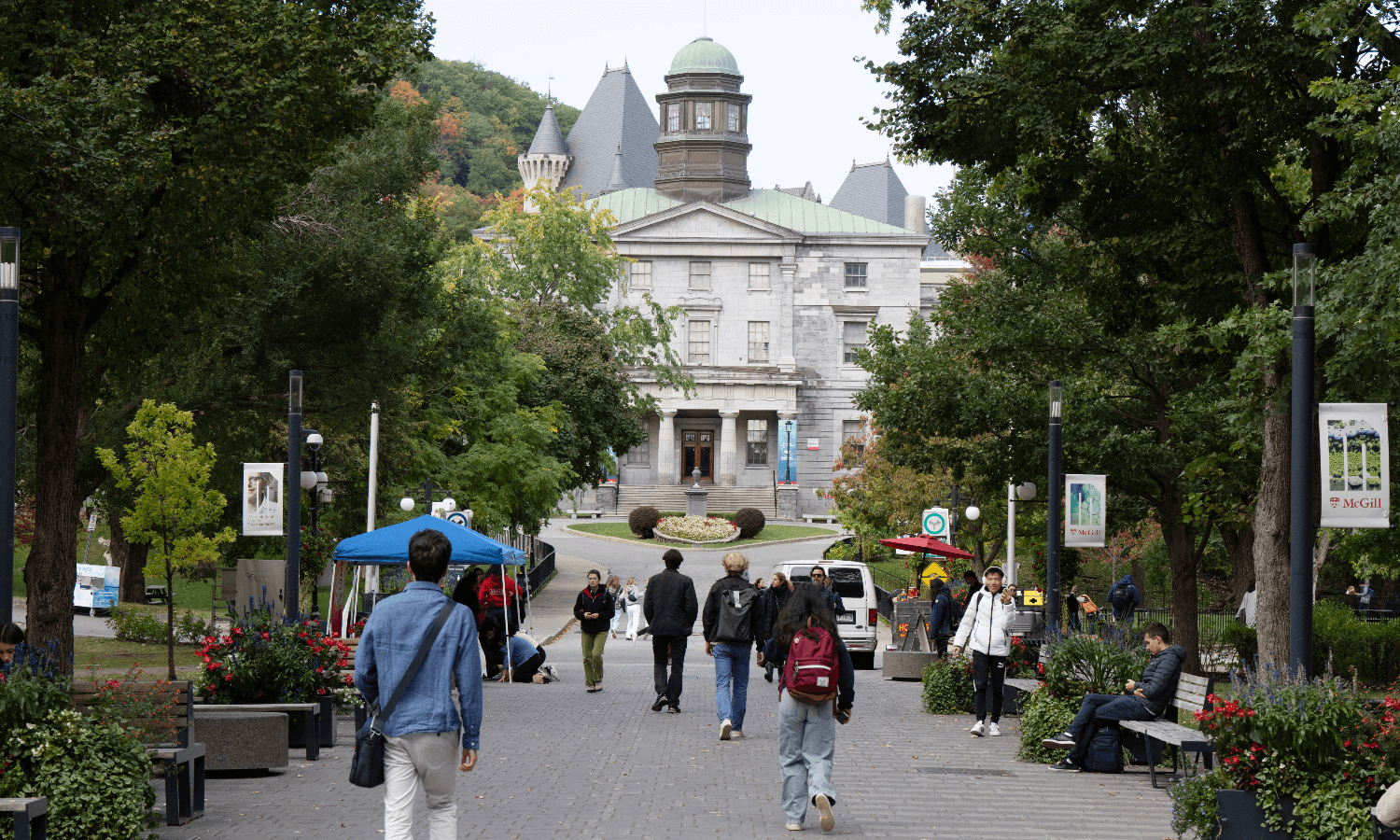
New-found freedom and an early taste of adulthood await many young adults starting post-secondary education this fall.
With freedom comes responsibilities: attending classes and studying while also maintaining a social life and making time for chores, meals and maybe even a part-time job—all while trying not to let any debt spiral out of control.
“A lot of things change financially for you when you turn 18,” said Shannon Lee Simmons, a Certified Financial Planner and founder of New School of Finance. Students entering post-secondary might want to apply for credit cards, open a chequing account and will likely now find themselves responsible for day-to-day expenses, she said. “There’s big financial stakes and your first time doing it in a big way, all happening at the same time.”
Several studies have highlighted the financial struggles of post-secondary students over the years, as costs for tuition, books and meals increased—adding stress to an already-long list of concerns young adults are dealing with today. A 2024 Canadian Alliance of Student Associations survey shows more than two-thirds of students anticipate graduating with debt. The report also found the annual cost of living for students averages $28,731.60.
Student money guide
How to pay for school and have a life—a guide for students and parents
Build good financial habits from the start
Experts say it’s important to establish financial habits early on to help manage finances effectively.
“This is the time in your life in which you formulate habits,” said Bruce Sellery, CEO of non-profit credit counselling agency Credit Canada. Students need to lock into a powerful mindset before entering university, he added.
“It is this: Live within your means. If you don’t have the money, you don’t spend it,” Sellery said. “This is a habit. It is a skill. It is a value,” he said. “It will serve you for the rest of your life.”
Before the school year starts, Simmons suggested setting up a 12-month financial plan that includes income streams from a registered education savings plan (RESP), any jobs, or a student loan against a list of expenses, such as tuition, books, transportation, and rent—and see if you can live within what’s left. “With school, there (are) limited resources and lots of expenses,” she said. “So, we sort of have to just squeeze our life into whatever is left over at the end of it.”
Understand the terms of student loans
Stacy Yanchuk Oleksy, CEO of Money Mentors, says students who are taking on student debt should first know what they need it for.
Oleksy said she encourages students to borrow only what’s needed, instead of the maximum dollar amount they can get. “The more that gets lent to you, the more you have to pay back,” she said.
She added students should also understand the terms of their loans—the interest rate and when they’re expected to make payments—before signing the contract.
Create a spending plan within your means
Sellery said students should follow a sustainable spending plan, which involves analyzing, brainstorming, and changing your budget as needed.
The analysis is fairly simple for students, he said. It’s a simple cash flow statement with incomes and expenses to see if there’s a surplus or if you’re spending more than you have.
“If you’re in a deficit, you’re going to brainstorm ways that you can eliminate that deficit,” Sellery said, by thinking through ways to either reduce spending or increase income. That could mean eliminating takeout, getting a part-time job or asking parents to chip in, for instance.
Then commit to that change, Sellery said. “You want to choose two or three things: ‘I’m going to get a part-time job, and I’m going to take Uber Eats off my phone,’ because if you try and manage 10 things, you’re going to fail,” he said.
Pay attention to everyday expenses
Once the school year starts, Simmons said it’s important to do daily check-ins when getting started with money habits. “A lot of young people don’t know what they cost yet because they’ve lived at home, so they haven’t had to buy their own shampoo,” she said.
Simmons said she usually doesn’t preach tracking your daily spending because it can take a big toll on people, but her advice is different for young people. “With this specific cohort, first time living on your own and not really knowing what you cost is actually a learning experience.”
The best student credit cards in Canada
READ NOW
Read more about education:
- How to manage money as a student
- How to afford moving out as a student or young adult
- Financial aid guide for university and college students in Canada
- School tax: What can you claim as a deduction on your annual income tax?
The post Heading to college or university? Follow these smart money habits appeared first on MoneySense.