
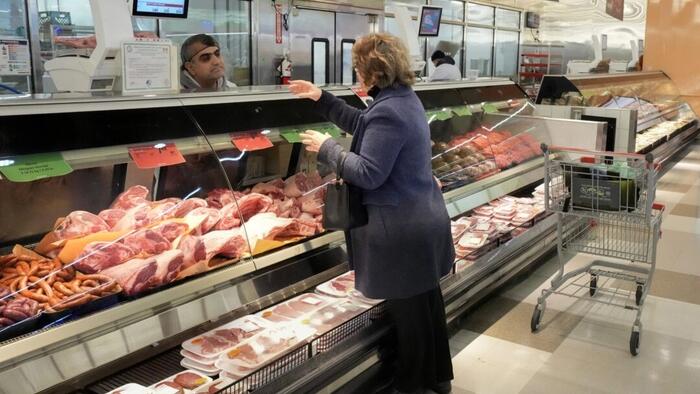
Cloned Foods Are Coming To A Grocer Near You
Authored by Sylvain Charlebois via The Epoch Times,
Cloned-animal foods could soon enter Canada’s food supply with no labels identifying them as cloned and no warning to consumers – a move that risks eroding public trust.
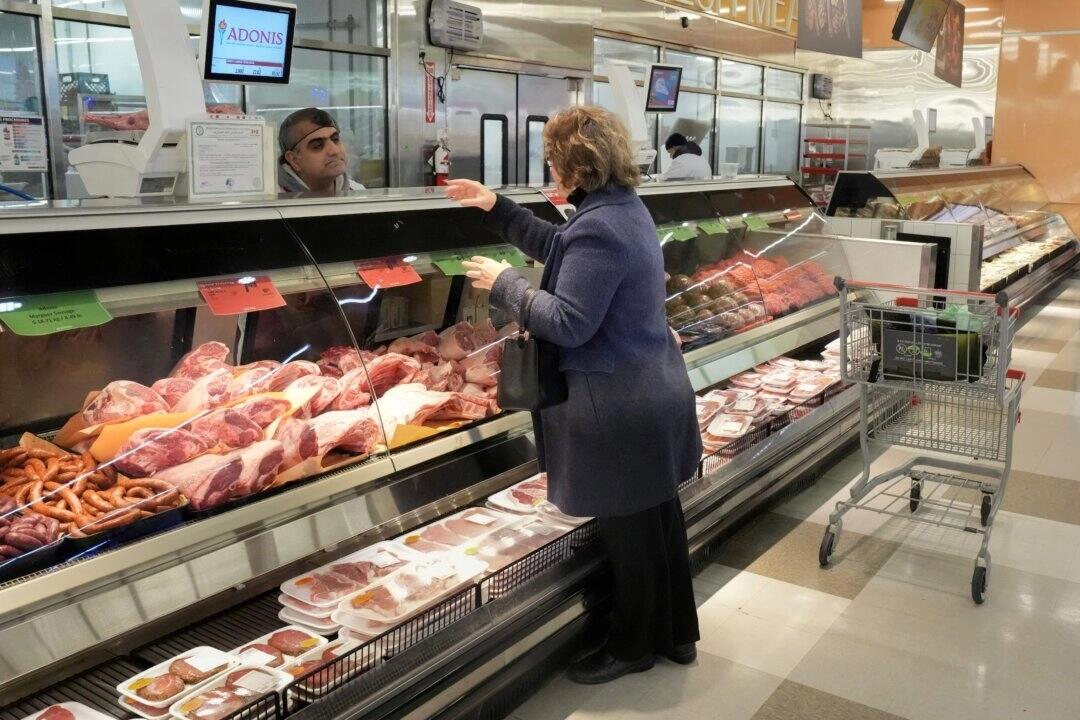
According to Health Canada’s own consultation documents, Ottawa intends to remove foods derived from cloned animals from its “novel foods” list, the process that requires a pre-market safety review and public disclosure. Health Canada defines “novel foods” as products that haven’t been commonly consumed before or that use new production processes requiring extra safety checks.
From a regulatory standpoint, this looks like an efficiency measure. From a consumer-trust standpoint, it’s a miscalculation.
Health Canada argues that cloned animals and their offspring are indistinguishable from conventional ones, so they should be treated the same. The problem isn’t the science—it’s the silence. Canadians are not being told that the rules for a controversial technology are about to change. No press release, no public statement, just a quiet update on a government website most citizens will never read.
Cloning in agriculture means producing an exact genetic copy of an animal, usually for breeding purposes. The clones themselves rarely end up on dinner plates, but their offspring do, showing up in everyday products such as beef, milk, or pork. The benefits are indirect: steadier production, fewer losses from disease, or more uniform quality.
But consumers see no gain at checkout. Cloning is expensive and brings no visible improvement in taste, nutrition, or price. Shoppers could one day buy steak from the offspring of a cloned cow without any way of knowing, and still pay the same, if not more, for it.
Without labels identifying the cloned origin, potential efficiencies stay hidden upstream. When products born of new technologies are mixed in with conventional ones, consumers lose their ability to differentiate, reward innovation, or make an informed choice. In the end, the industry keeps the savings while shoppers see none.
And it isn’t only shoppers who are left in the dark. Exporters could soon pay the price too. Canada exports billions in beef and pork annually, including to the EU. If cloned-origin products enter the supply chain without labelling, Canadian exporters could face additional scrutiny or restrictions in markets where cloning is not accepted. A regulatory shortcut at home could quickly become a market barrier abroad.
This debate comes at a time when public trust in Canada’s food system is already fragile. A 2023 survey by the Canadian Centre for Food Integrity found that only 36 percent of Canadians believe the food industry is “heading in the right direction,” and fewer than half trust government regulators to be transparent. Inserting cloned foods quietly into the supply without disclosure would only deepen that skepticism.
This is exactly how Canada became trapped in the endless genetically modified organism (GMO) debate. Two decades ago, regulators and companies quietly introduced a complex technology without giving consumers the chance to understand it. By denying transparency, they also denied trust. The result was years of confusion, suspicion, and polarization that persist today.
Transparency shouldn’t be optional in a democracy that prides itself on science-based regulation. Even if the food is safe, and current evidence suggests it is, Canadians deserve to know how what they eat is produced.
The irony is that this change could have been handled responsibly. Small gestures like a brief notice, an explanatory Q&A, or a commitment to review labelling once international consensus emerges would have shown respect for the public and preserved confidence in our food system.
Instead, Ottawa risks repeating an old mistake: mistaking regulatory efficiency for good governance. At a time when consumer trust in food pricing, corporate ethics, and government oversight is already fragile, the last thing Canada needs is another quiet policy that feels like a secret.
Cloning may not change the look or taste of what’s on your plate, but how it gets there should still matter.
Views expressed in this article are opinions of the author and do not necessarily reflect the views of The Epoch Times or ZeroHedge.
Tyler Durden
Wed, 11/12/2025 – 21:45