
Toyota built a reputation on reliability, but even a brand with that kind of track record carries a few missteps. Some models slipped through the cracks, survived their first year, and kept going despite clear warning signs. These are the vehicles that raised eyebrows, drained patience, and signaled Toyota failures that never should have lasted. They pushed past their natural endpoint, long after the market showed hesitation. And they deserve another look, if only to understand how a company known for precision occasionally lets the wrong car linger.
1. Toyota C-HR
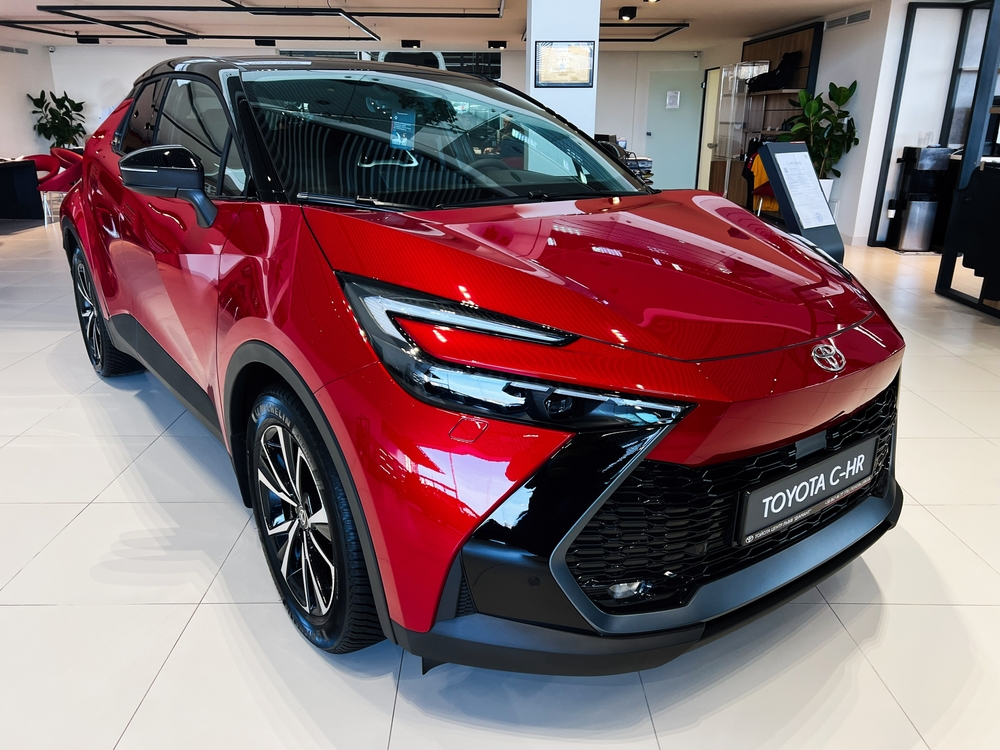
The Toyota C-HR arrived with sharp angles and a cramped cabin masquerading as a bold design. The first production run showed everything that mattered about this crossover: it looked aggressive but drove without urgency, handled tightly but offered little utility, and cost more than buyers expected for the space they received. The second year didn’t fix any of it. Sales dipped, and the C-HR became an early example of Toyota’s failures in a segment where practicality wins every time.
2. Toyota Mirai
Hydrogen fuel cells sound futuristic until the fuel stations run out. Or never get built. The Toyota Mirai leaned on an infrastructure that didn’t exist and still doesn’t offer broad support. The first production run exposed that problem. Range anxiety hit hard, not because the Mirai ran short, but because owners couldn’t refuel. Toyota kept pushing the model anyway, hoping the network would catch up. It didn’t, and the Mirai stands out as one of the most predictable Toyota failures in recent memory.
3. Toyota Yaris iA
This wasn’t even a true Toyota. It came from Mazda, rebadged and pushed into showrooms as a budget sedan with Toyota branding. The first production run showed customers everything: a tight cabin, thin features, and a driving feel that didn’t match Toyota’s identity. It wasn’t a bad car, but it wasn’t a meaningful one. And it never built the audience Toyota expected. The fact that it kept going past its debut year created confusion rather than momentum.
4. Toyota Paseo
The Paseo sold on the idea of being a small, affordable sporty car. It never had the power, presence, or handling to back that up. The first run should have been the end. Drivers found it underwhelming on open roads and noisy on daily commutes. And the interior felt dated even in its own era. Toyota gave it another go, but the market moved on quickly, leaving the Paseo in the shadow of more capable compact coupes.
5. Toyota Prius c
Hybrid efficiency isn’t enough when the rest of the car feels compromised. The Prius c entered the market below the main Prius line, offering lower cost and lighter construction. But the first run revealed harsh ride quality, slow acceleration, and a cabin that felt stripped bare. It kept going, even as newer hybrid competitors arrived with better features at similar prices. By the time Toyota retired it, the Prius c had already become a case study in preventable Toyota failures.
6. Toyota Sequoia (Second Generation)
This one didn’t fail on reliability. It failed on relevance. The second-generation Sequoia lasted far beyond its natural life span. The early run made clear that it lagged behind newer full-size SUVs in tech, interior quality, and fuel economy. Instead of replacing it quickly, Toyota let it ride for more than a decade. Families who bought it expecting a modern experience got a reminder that longevity doesn’t always mean leadership.
7. Toyota Matrix (Later Years)
The Matrix arrived strong but faded fast. The first production run showed promise as a practical, efficient hatchback with Corolla underpinnings. Then it stagnated. Later years revealed no meaningful upgrades, no push to match evolving competitors, and no reason for buyers to stay interested. Toyota kept producing it anyway. By the end, it existed only for fleet sales and brand loyalty, long after it had lost ground in a segment that rewards innovation.
The Pattern Behind These Cars
These models share a pattern: the first production run exposed problems that never should have stretched into follow-up years. Some faced design limitations. Others carried mismatched pricing or outdated engineering. A few relied on infrastructure or market conditions that weren’t real. But the theme stays consistent. Each belongs in the small but unavoidable category of Toyota failures—a reminder that even the strongest brands misjudge demand, timing, or execution.
What other Toyota models do you think should have ended after one run?
What to Read Next…
- 6 Most Common Problems With Toyotas
- 7 Manufacturers That Rebrand Failed Cars Under New Names And Hope You Don’t Notice
- 7 Car Brands That Quietly Rebranded After Major Safety Scandals
- 7 Car Models That Mechanics Avoid Even When They’re Discounted
- 7 Cars Known For Engine Trouble That You Should Avoid
The post 7 Toyotas That Should Have Stopped After Their First Production Run appeared first on Clever Dude Personal Finance & Money.