
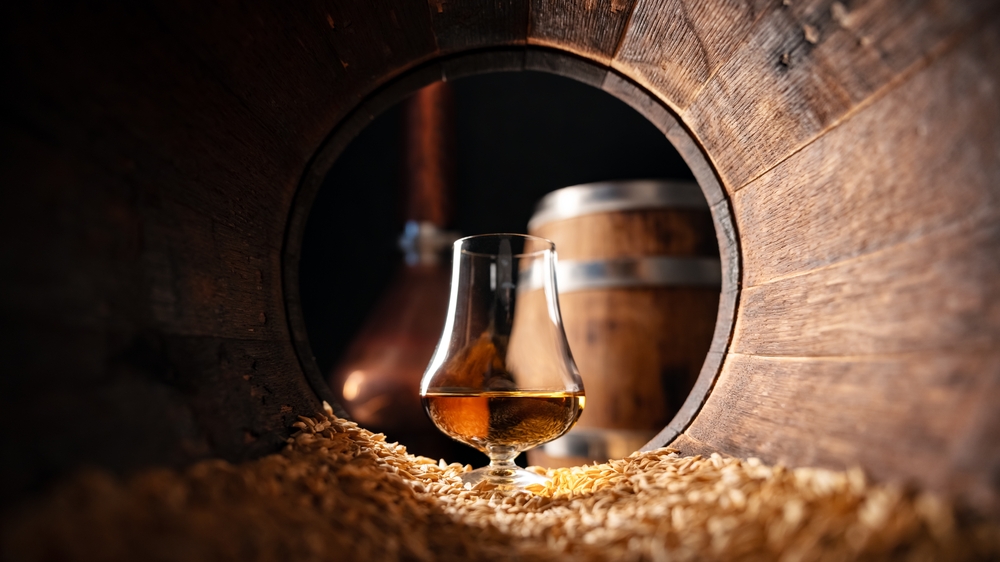
Whiskey is more than just a drink; it’s a tradition, a hobby, and sometimes even a collector’s passion. Whether you’re new to whiskey or have enjoyed it for years, knowing the differences between single malt and blended whiskey can help you get more enjoyment from every glass. The subtle distinctions affect taste, price, and even how you might serve your whiskey at a gathering. If you’ve ever wondered why some bottles are priced so differently or why enthusiasts get so particular about their whiskey, you’re in the right place. Here are nine key differences between single malt and blended whiskey.
1. Definition and Composition
The primary difference between single malt and blended whiskey lies in how they’re made. Single malt whiskey is produced at a single distillery using only malted barley and water. In contrast, blended whiskey is a mix of different whiskeys, often combining single malts with grain whiskeys from multiple distilleries. This blending process can include dozens of different whiskeys, resulting in a more uniform product.
The phrase “single malt” doesn’t mean it comes from a single barrel, but from a single distillery. “Blended” means the final whiskey is crafted by combining several whiskies to achieve a specific flavor profile.
2. Flavor Complexity
One of the most widely discussed differences in the single malt vs. blended whiskey debate is flavor. Single malts typically offer more distinct and complex flavors. Each distillery’s methods and ingredients shine through in the final product, resulting in unique notes, sometimes smoky, sometimes fruity, or even peaty.
Blended whiskey, on the other hand, aims for smoothness and consistency. The blend is designed to appeal to a wide audience, often resulting in a milder, more approachable taste. The master blender carefully balances flavors so no single note dominates.
3. Price Differences
Single malt whiskey tends to be more expensive than blended whiskey. This is partly because single malts are often produced in smaller batches and have stricter requirements for production. The aging process and the use of 100% malted barley also add to the cost.
Blended whiskey typically combines a mix of malt and less expensive grain whiskies, enabling a lower price point. This makes blended whiskeys more accessible for everyday drinking or mixing in cocktails.
4. Aging Process
Both single malt and blended whiskeys are aged in oak barrels, but there’s a subtle difference in how aging is labeled. For single malt whiskey, the age statement (like “12 years old”) refers to the youngest whiskey in the bottle, all produced at the same distillery.
For blended whiskey, the age statement also refers to the youngest component, but the blend could include much older or younger whiskies from various distilleries. This process enables blenders to consistently produce a high-quality product year after year.
5. Regional Influence
Single malt whiskeys often reflect the region where they’re made. For example, Scottish single malts from Islay have a distinctive smoky, peaty flavor, while those from Speyside tend to be sweeter and fruitier. This regional character is a big draw for enthusiasts who enjoy exploring different styles.
Blended whiskey, by design, mutes these regional markers in favor of a balanced, uniform taste. The goal is to create a product that tastes the same no matter where or when you buy it.
6. Consistency vs. Uniqueness
Blended whiskeys are made for consistency. The master blender’s job is to ensure that every bottle tastes the same, year after year. This is ideal for brands that want to build customer loyalty through a reliable product.
Single malt whiskey, however, can vary from batch to batch. Changes in weather, water, and even the barrels used can influence the taste. This uniqueness is part of the appeal for many single malt fans.
7. Popular Brands
If you’re shopping for single malt whiskey, you’ll likely come across brands like Glenfiddich, Macallan, and Laphroaig. These distilleries pride themselves on tradition and regional character. For blended whiskey, well-known names include Johnnie Walker, Chivas Regal, and Ballantine’s. These brands focus on balance and wide appeal.
8. Best Uses and Occasions
Single malt vs blended whiskey also comes down to how you plan to enjoy your drink. Single malts are often sipped neat or with a splash of water to appreciate their full character. They’re a popular choice for savoring slowly or celebrating special occasions.
Blended whiskeys, with their smoother profiles and lower price points, are ideal for cocktails or casual drinking. They mix well and are often used in classic drinks like the Whiskey Sour or Old Fashioned.
9. Perception and Prestige
There’s a certain prestige attached to single malt whiskey. Many enthusiasts see it as a mark of quality and tradition. Collectors often seek limited releases, and some single malts become prized investments.
Blended whiskey typically carries a more approachable reputation. While there are premium blends, the category is generally seen as less exclusive. However, some blends have earned international awards and a loyal following.
Making the Right Choice for You
Understanding the subtle differences in single malt vs blended whiskey can make a big difference when choosing your next bottle. Single malt whiskey is about uniqueness, regional character, and complexity. Blended whiskey brings consistency, approachability, and value. Neither is better than the other. It all comes down to personal taste and how you plan to enjoy your drink.
Which do you prefer: single malt or blended whiskey? Share your thoughts and tasting tips in the comments below!
What to Read Next…
- Best Whiskeys Under 30 To Bring To Your Next Gathering
- 9 Alcohol Myths Everyone Still Believes But Science Disagrees
- 7 Things Men Fix Around The House And Still Get No Credit For
- 8 Secret Car Maintenance Tips Every Mechanic Knows
- 9 Car Brands That Quietly Lost Consumer Trust In The Last 5 Years
The post 9 Subtle Differences Between Single Malt and Blended Whiskey Explained Simply appeared first on Clever Dude Personal Finance & Money.